Staying Connected with a Loved One in Memory Care
Remain Connected Throughout the Memory Care Process
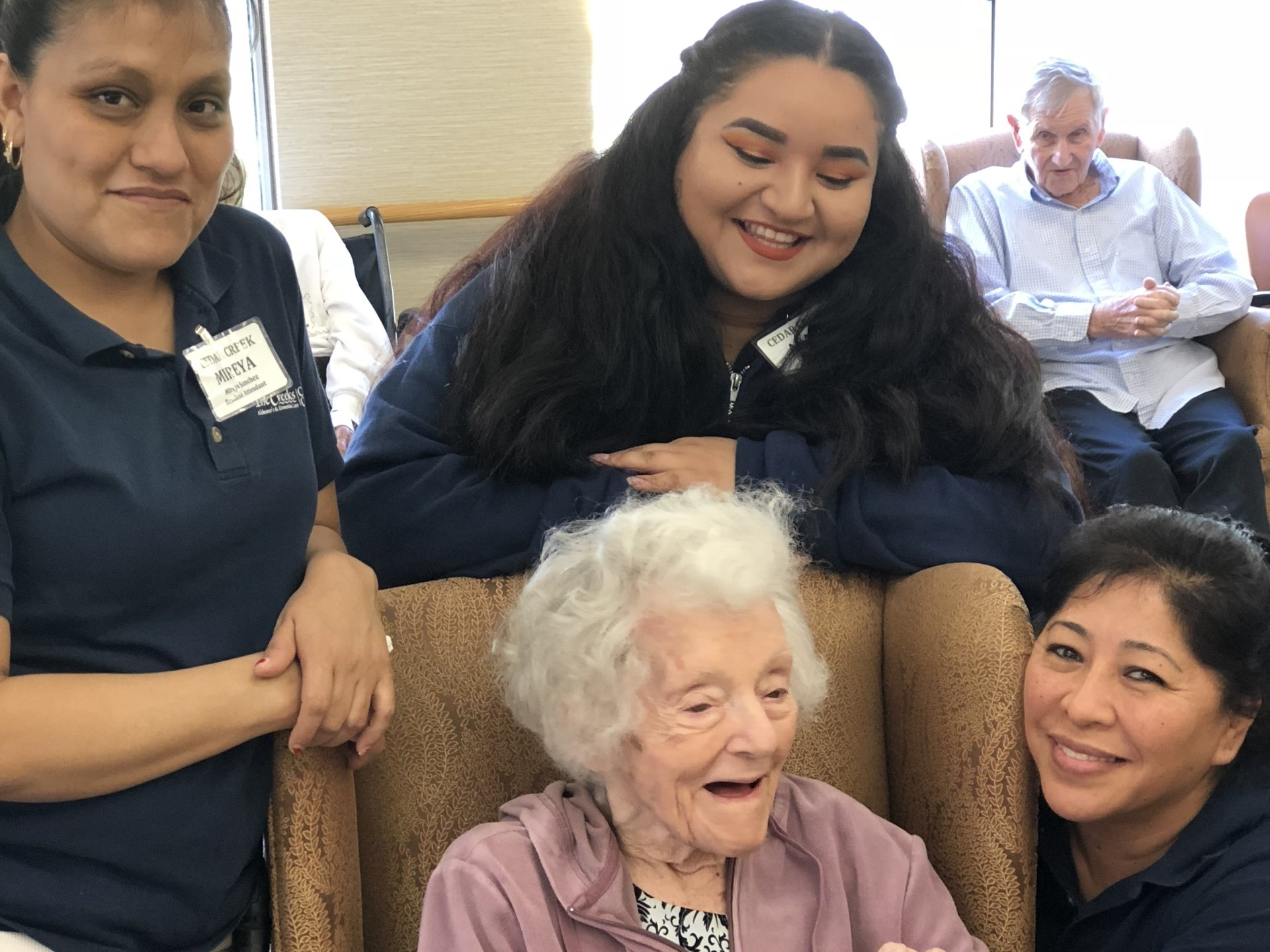
When a loved one moves into memory care, it can bring a mix of relief, worry, and grief. While you may feel comforted knowing they are safe and supported, it’s also common to fear that your relationship will change or that meaningful connection will be lost. The truth is, connection is still very possible—it may simply look different than it once did.
Staying connected with someone in memory care is less about remembering facts and more about sharing moments, emotions, and presence. With a little patience and creativity, these connections can remain deeply meaningful for both of you.
Focus on Feelings, Not Facts
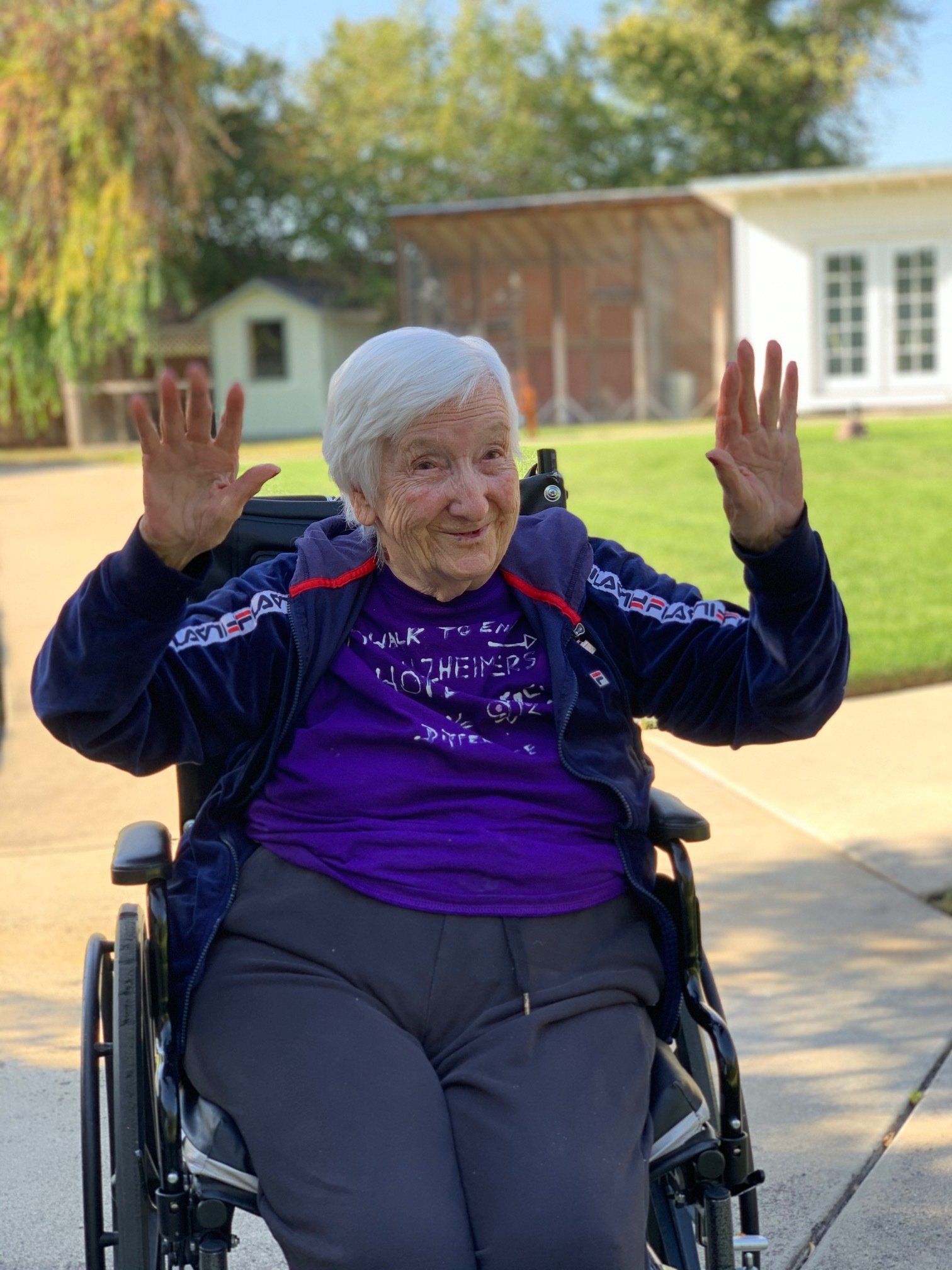
Memory loss often affects the ability to recall names, dates, or recent events, but emotions tend to last much longer. Even if your loved one doesn’t remember a conversation later, they will remember how you made them feel.
Instead of correcting details or testing memory, meet them where they are. Responding with warmth and validation helps create a sense of safety and comfort.
Use Familiar Sensory Experiences
The senses are powerful connectors, especially for individuals with memory loss. Familiar music, scents, textures, and tastes can spark recognition and emotional responses when words cannot.
You might:
- Play songs they loved earlier in life
- Bring a favorite lotion, perfume, or aftershave
- Share a familiar snack or beverage (if approved by care staff)
- Look through photo books or magazines together
These experiences often open the door to smiles, calmness, and shared moments of recognition.
Keep Visits Simple & Flexible
Short, relaxed visits are often more successful than long, structured ones. Let go of expectations about conversation or outcomes. Sitting together, holding hands, or taking a quiet walk can be just as meaningful as talking.
If your loved one becomes tired or agitated, it’s okay to end the visit early. Leaving on a positive note helps preserve the emotional connection and makes future visits easier.
Communicate in New Ways
As verbal communication becomes more difficult, nonverbal cues grow more important. Facial expressions, tone of voice, gentle touch, and body language all communicate care and reassurance.
Speak slowly, use simple sentences, and allow extra time for responses. Even when words are limited, presence still matters.
Stay Connected Between Visits
If you can’t visit as often as you’d like, there are still ways to maintain connection. Sending cards, letters, or printed photos can provide comfort, even if your loved one can’t read or remember them fully. Care staff may read messages aloud or display items in their room.
Some families also record short audio or video messages that staff can play during moments of restlessness or loneliness.
Reach Out to Our Memory Care Team to Get Started
Even as memory changes, the need for love, dignity, and human connection never goes away. By focusing on emotion, presence, and shared moments, you can continue to nurture a meaningful relationship with your loved one in memory care.
If you're interested in learning more about local memory care facilities in the Castro Valley, CA community, we urge you to
contact one of the knowledgeable representatives at Oak Creek Alzheimer’s & Dementia Care Center. For years, our team has continued to provide dedicated support to families across the Hayward and San Leandro areas. Our qualified caregivers are standing by to provide support.