Memory Care 101: What Your Loved One Should Expect
Navigating Memory Care: Support, Safety, & Peace of Mind
Watching a loved one navigate memory loss can feel overwhelming, especially when it becomes clear they need more support than you can provide at home. If you’re exploring memory care, understanding what to expect can make the transition smoother—for both you and your loved one.
This guide breaks down what memory care is, what daily life looks like, and how it supports safety, dignity, and quality of life.
What Is Memory Care?
Memory care is a specialized form of long-term care designed for individuals living with Alzheimer’s disease, dementia, or other cognitive impairments. These communities go beyond standard assisted living by offering structured routines, trained staff, and environments specifically built to support memory loss.
The goal isn’t just safety—it’s helping residents maintain as much independence, comfort, and connection as possible.
A Safe & Supportive Environment
One of the first things you’ll notice about a memory care community is its design. Everything is intentional.
Residents can expect:
- Secure layouts to prevent wandering
- Simple, easy-to-navigate spaces
- Calming colors and lighting
- Clearly labeled rooms and hallways
These features reduce confusion and anxiety while promoting confidence in everyday movement.
Personalized Care Plans
No two people experience memory loss the same way. That’s why memory care communities create individualized care plans tailored to each resident’s needs.
Your loved one can expect:
- Assistance with daily activities (bathing, dressing, grooming)
- Medication management
- Regular health monitoring
- Adjustments as their condition changes
Staff members are trained specifically in dementia care, meaning they understand how to respond with patience, empathy, and effective communication.
Structured Daily Routines
Consistency is key in memory care. A predictable routine helps reduce stress and gives residents a sense of stability.
A typical day might include:
- Morning personal care and breakfast
- Cognitive activities like puzzles or memory games
- Physical movement (light exercise, walking groups)
- Social interaction (group meals, music, or art sessions)
- Evening wind-down routines
These structured days help residents feel grounded and engaged.
Activities That Promote Connection
Memory care isn’t just about supervision—it’s about meaningful living.
Programs are designed to:
- Stimulate memory and cognition
- Encourage social interaction
- Support emotional well-being
Activities might include:
- Music therapy
- Reminiscence sessions (sharing life stories)
- Arts and crafts
- Sensory activities
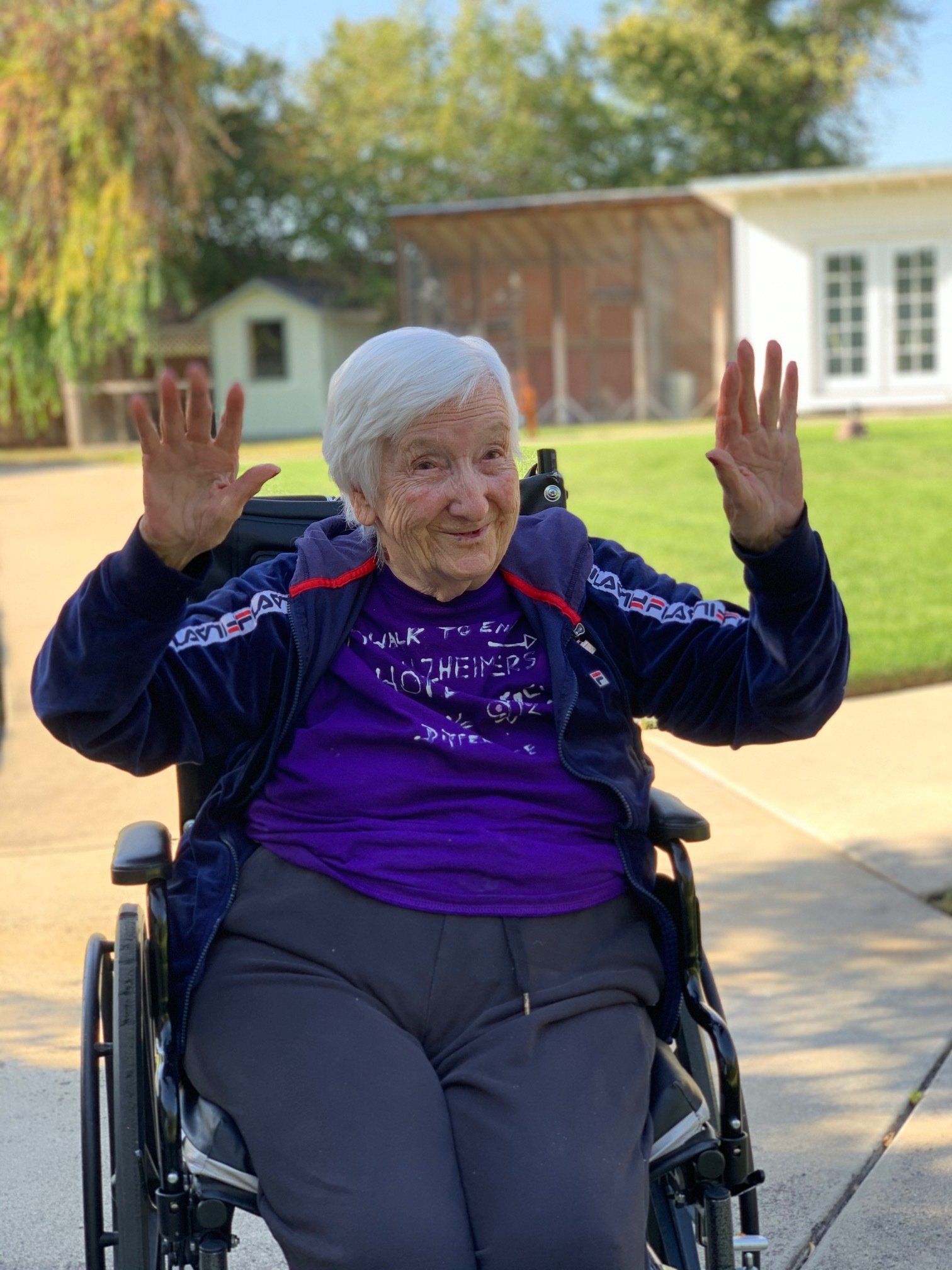
Even small moments of joy—like listening to a favorite song—can have a powerful impact.
Nutritious Meals & Dining Support
Nutrition can become a challenge for individuals with memory loss. Memory care communities provide balanced meals in a supportive setting.
Residents can expect:
- Regular meal schedules
- Assistance with eating when needed
- Modified diets for health conditions
- Comfortable, distraction-free dining spaces
Staff is also attentive to changes in appetite or eating habits.
Compassionate, Specialized Staff
Perhaps the most important part of memory care is the people providing it.
Care teams are trained in:
- Dementia-specific communication techniques
- De-escalation and behavioral support
- Recognizing emotional and physical needs
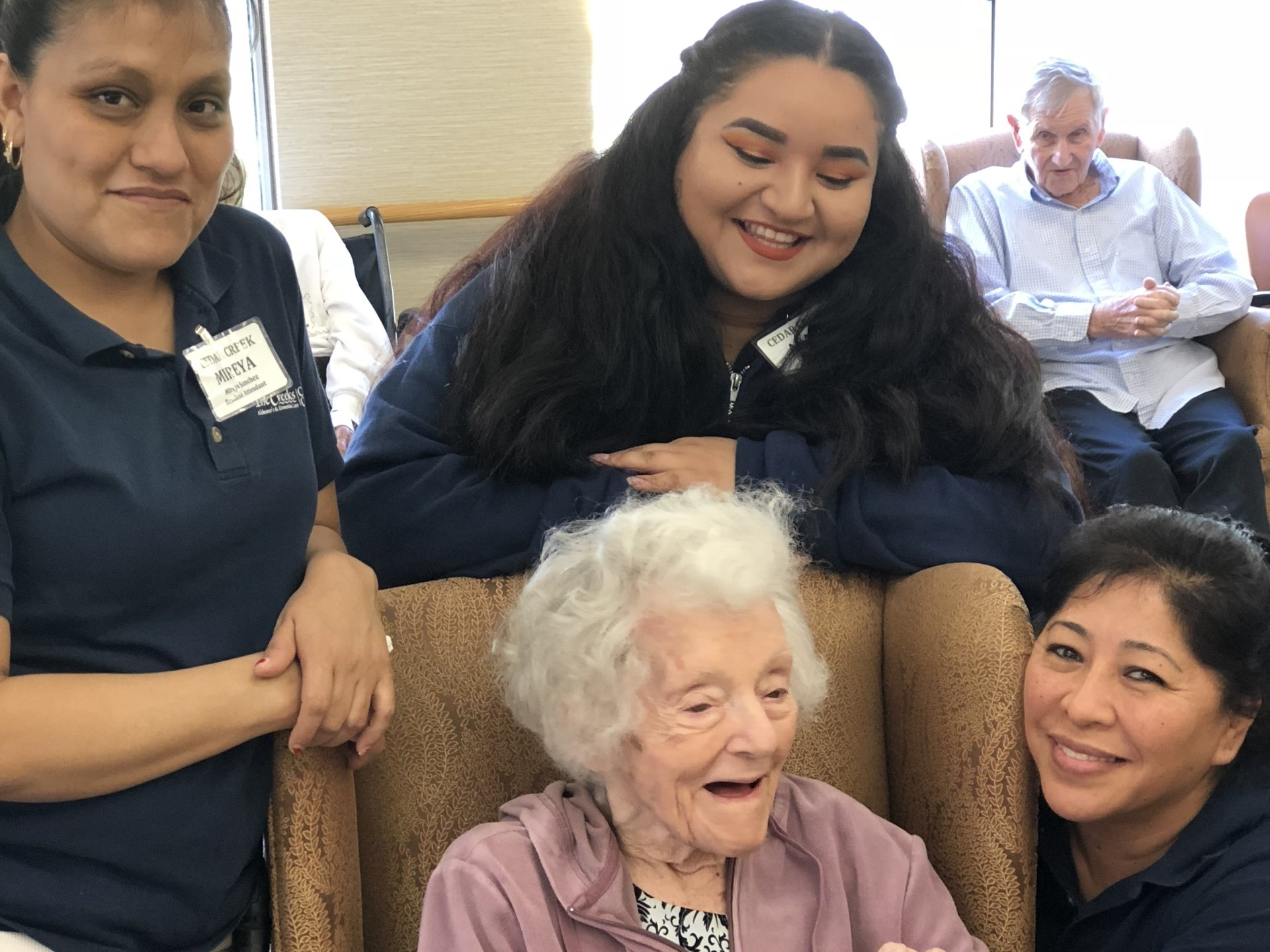
They’re not just caregivers—they’re companions who build trust and relationships over time.
Family Involvement & Communication
Transitioning into memory care doesn’t mean stepping away—it means gaining a team.
Families can expect:
- Regular updates on their loved one’s condition
- Opportunities to participate in care planning
- Visits, events, and family support resources
Open communication helps everyone feel more confident and connected.
What the Transition May Feel Like
It’s important to be honest: moving into memory care can be an adjustment.
Your loved one may initially feel:
- Confused or disoriented
- Resistant to change
- Anxious in a new environment
With time, routine, and supportive staff, many residents begin to feel more comfortable and even thrive in their new setting.
Taking the Next Step
Choosing memory care is never an easy decision—but it can be the right one. These communities are thoughtfully designed to provide safety, structure, and compassionate support in ways that can be difficult to replicate at home.
By understanding what to expect, you can approach this transition with greater confidence and peace of mind—knowing your loved one will receive the care, dignity, and attention they deserve.
If you’re considering memory care, take time to visit communities, ask questions, and trust your instincts. The right environment can make a meaningful difference in your loved one’s quality of life. For guidance and support, reach out to the compassionate team at Oak Creek Alzheimer’s & Dementia Care Center in Castro Valley, CA to learn more about our memory care services.